
The Tomb Raider Reboot’s Impact on Pop Culture and Brand Deals
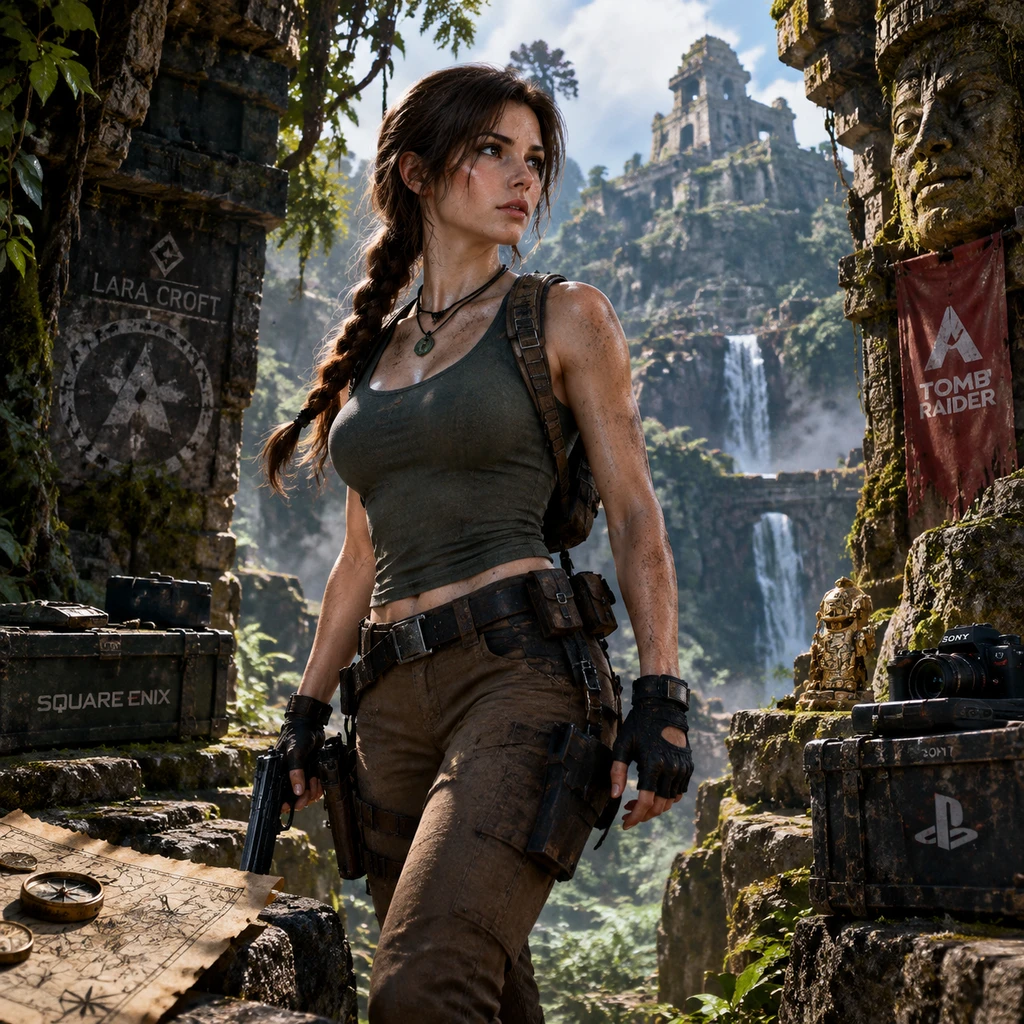
The Tomb Raider reboot gave a long-running video game franchise a new point of entry. By presenting Lara Croft as a younger, less experienced survivor, it refreshed the series’ tone and helped make its heroine relevant to audiences who knew the character from games, films, merchandise, or popular culture at large.
That renewed visibility also matters to brands. A recognizable character and a world built around exploration can create opportunities for licensing, merchandising, and promotional campaigns. The connection is not automatic, though: a reboot may increase cultural relevance, but any brand collaboration still needs a clear fit with the franchise and its fans.
Why the Reboot Reframed Tomb Raider
The Tomb Raider reboot reframed the franchise by shifting attention from Lara Croft as an already accomplished adventurer to her beginnings as a survivor. That origin-focused approach gave familiar elements, including exploration, danger, and archaeological mystery, a more grounded emotional context.
Earlier portrayals had established Lara as a confident, capable action hero. The reboot kept her intelligence and determination but emphasized vulnerability, learning, and resilience. Players could see the skills and reputation associated with the character take shape rather than arriving fully formed. This character arc made the adventure feel more personal and offered a different way into a world that had been part of pop culture for years.
The shift also reflects a broader challenge for established entertainment properties: how to welcome new audiences without discarding what existing fans recognize. A reboot can update tone and characterization while keeping core signals intact. In this case, Lara’s curiosity, independence, and willingness to confront the unknown continued to anchor the series.
That balance creates cultural value. A refreshed story gives journalists, players, and new audiences something to discuss, while the recognizable name and visual identity preserve continuity. The reboot did not need to erase the franchise’s past to make it feel current; it could reinterpret that history through Lara’s development.
Lara Croft’s Evolving Pop Culture Image
Lara Croft’s pop culture image evolved as the reboot emphasized her growth, resourcefulness, and vulnerability alongside her status as an action hero. That broader characterization gave different audiences more than one reason to recognize or relate to her.
For longtime fans, Lara remains one of gaming’s most familiar protagonists. For newer players, the reboot offers a starting point that does not require detailed knowledge of earlier games. Her character can also carry different meanings: an explorer driven by curiosity, a determined survivor, or a woman whose competence develops through experience. Those readings help keep a well-known character in cultural conversation.
Recognition is valuable for brand collaborations, but it is not the same as universal appeal. Some people know Lara through games, others through screen adaptations or merchandise, and some may recognize the name without following the franchise. A campaign should be designed around the audience it actually wants to reach, rather than treating all awareness as equal.
The reboot’s more human portrayal also raises the bar for how partners use Lara. A collaboration that reduces her to a generic action image may miss the qualities that give the character depth. **Her cultural relevance comes from both recognition and characterization**, and campaigns that respect both are more likely to feel considered.
From Game Franchise to Cross-Media Presence
A video game franchise can extend its cultural presence through cross-media adaptations, licensed products, and publicity that reaches beyond players. Tomb Raider has appeared across games, films, and other forms of media, giving audiences several ways to encounter Lara Croft and the series’ adventure setting.
Each format serves a different purpose. Games let audiences participate in exploration and problem-solving. Films translate the property into a more direct narrative experience, while merchandise can bring its visual identity into everyday life. These channels can reinforce one another, but they do not guarantee that every audience will move from one format to another.
For a potential partner, that variety can broaden the range of collaboration ideas. A product might draw on the franchise’s exploration themes; a campaign could connect with a new release or adaptation; an event could invite fans to engage with the world in person. The creative approach should match the channel rather than simply repeat the same logo placement everywhere.
Cross-media visibility also comes with a practical consideration: rights and approvals may differ across games, films, and merchandise. A brand should clarify which rights holder controls the relevant character, artwork, marks, and promotional uses before developing a campaign. **The franchise’s reach is an opportunity, while rights coordination is part of the cost of using it well.**
Why Tomb Raider Appeals to Brand Partners
Tomb Raider may appeal to brand partners because it combines high recognition with themes such as exploration, discovery, and problem-solving. Those associations can support campaigns in categories that genuinely connect with adventure, travel, technology, fashion, or entertainment.
Brand fit depends on more than a shared mood. A useful test is to ask three questions:
- Audience: Do the brand’s customers overlap with gaming audiences and the people who engage with Lara Croft?
- Story: Can the product or campaign connect naturally to exploration, resilience, or discovery?
- Execution: Can the collaboration add something fans would value, rather than relying only on borrowed recognition?
If a concept passes all three tests, it has a stronger foundation than a partnership built around visibility alone. A travel company, for example, might explore an adventure-led campaign, while a technology brand might focus on tools for exploration or play. These are possibilities, not claims about confirmed Tomb Raider deals; any real activation would require the appropriate rights and approval.
There is a trade-off to weigh. A famous franchise can attract attention, but established fan expectations leave less room for careless creative choices. Brands gain access to an existing cultural world, yet they also take on the responsibility of representing it accurately.
What Brand Deals Can Look Like
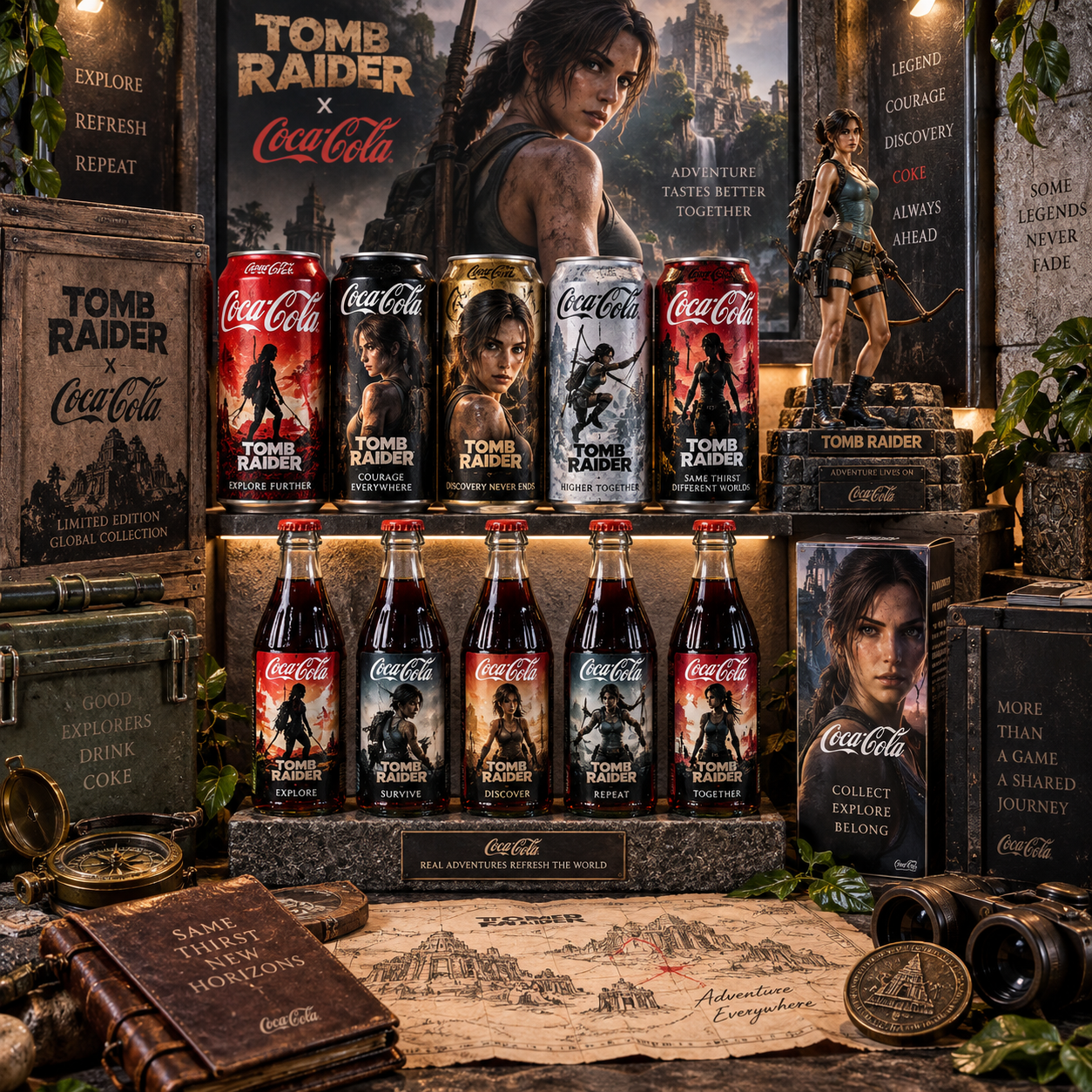
Tomb Raider brand deals could take several forms, including licensed products, promotional campaigns, themed experiences, and carefully coordinated cross-media marketing. The right format depends on the partnership’s goal, audience, rights, and available creative assets.
Licensing and merchandising
Licensed merchandise might include apparel, collectibles, accessories, or products designed around the series’ visual identity. Licensing allows a brand or manufacturer to use approved intellectual property under agreed terms. Product quality and design matter: a low-effort item can create a negative impression even when the character is popular.
Promotional campaigns
A campaign could connect a product launch with a game release, film promotion, or broader franchise moment. Options include digital content, retail displays, social media activations, and co-branded creative. Timing can provide useful context, but the campaign should still make sense to customers who are not following every release.
Themed experiences
Events, pop-ups, or interactive promotions can invite audiences to engage with an adventure-inspired setting. These experiences work best when the activity itself is enjoyable and clearly tied to the property. Adding a logo to a generic event is unlikely to create the same value as an experience designed with the franchise’s world and audience in mind.
Across all formats, **licensed use is different from a confirmed partnership**. A brand should verify ownership, scope, territory, duration, and approval requirements before announcing or producing a collaboration. No particular deal should be assumed simply because it would seem like a natural fit.
Lessons for Game Brand Collaborations
Successful game brand collaborations begin with audience alignment, respect for the franchise, and a clear reason for fans to care. For Tomb Raider, that means understanding Lara Croft’s established identity while making the partnership relevant to the story, audience, or experience.
Before committing, a brand can use a practical four-part review:
- Know the audience: Identify which fans and customers the campaign is meant to reach, and how they encounter the franchise.
- Protect the character: Use approved designs and portray Lara in a way that reflects her independence, intelligence, and adventurous spirit.
- Offer a fan benefit: Give people something useful, entertaining, collectible, or genuinely immersive.
- Plan the rights and approvals: Confirm usage terms, partners, channels, territories, and timelines before building creative around the property.
A common mistake is treating recognition as proof of audience fit. A familiar character can draw attention, but a campaign aimed at the wrong customers may still underperform. Another is using the franchise as decoration, with no meaningful connection to the product. Both problems are easier to prevent when the creative brief explains why this specific game property belongs in the collaboration.
Brands should also avoid assuming that a reboot’s visibility guarantees commercial results. Pop culture relevance can create an opening, not a forecast. The most durable partnerships build on a real connection between the franchise and the brand, then measure whether the campaign met its own goals, such as awareness, engagement, or product interest.
Frequently Asked Questions
How did the Tomb Raider reboot change Lara Croft’s image?
The reboot presented Lara as a younger, less experienced adventurer whose abilities develop through hardship. It retained her determination and intelligence while giving audiences a more grounded view of her growth.
Why might a game franchise appeal to brand partners?
A recognizable franchise can offer access to gaming audiences, a distinct identity, and themes that support creative campaigns. The value depends on audience overlap, brand fit, and whether the collaboration offers something meaningful.
What types of brands can collaborate with video game franchises?
Potential partners may include companies in entertainment, apparel, technology, travel, retail, and other fields. A category alone does not guarantee fit; the product, audience, campaign idea, and licensing rights all matter.
How can a collaboration feel authentic to fans?
Make the partnership relevant to the franchise, use approved materials, respect the character, and give fans a real benefit. Avoid relying on a logo or character image without a clear connection to the product or experience.