

How Cross-Border Streaming Tech Is Powering the Rise of Live Dealer Casinos in 2026

I've spent the better part of the last year digging into how live dealer casinos actually work behind the scenes, and honestly, the technology has moved faster than most players realize. What used to feel like a niche corner of online gambling—grainy webcam feeds and awkward delays—has turned into something that genuinely rivals sitting at a table in Vegas or Toronto. The reason? Streaming tech has quietly erased the borders that used to separate one country's gaming market from another.
Canada has become something of a proving ground for this shift. Regulators and independent reviewers there have spent years stress-testing platforms, ranking them on everything from video clarity to how fast a dealer responds to a bet. That rigor has pushed the entire industry forward, and it's giving US operators a pretty clear roadmap for 2026. In this piece, I want to walk through the tech making all this possible and pull out the lessons American players can actually use when picking where to play.
The Rise of Live Dealer Casinos in North America
For years, online casinos ran almost entirely on random number generators. Fine for slots, but it never quite scratched the itch for players who wanted to feel like they were actually at a table. Live dealer games changed that equation completely. Instead of a computer simulating a shuffle, you're watching a real person deal real cards in real time, streamed straight to your phone or laptop.
What's driven this surge isn't just novelty—it's trust. Players want to see the deck, watch the wheel spin, and know nothing's being manipulated behind a curtain. There's also a social piece to it. Chat features, dealer banter, and the ability to watch other players react in real time make the experience feel less like gambling alone and more like being part of something.
Why Streaming Tech Changed the Game
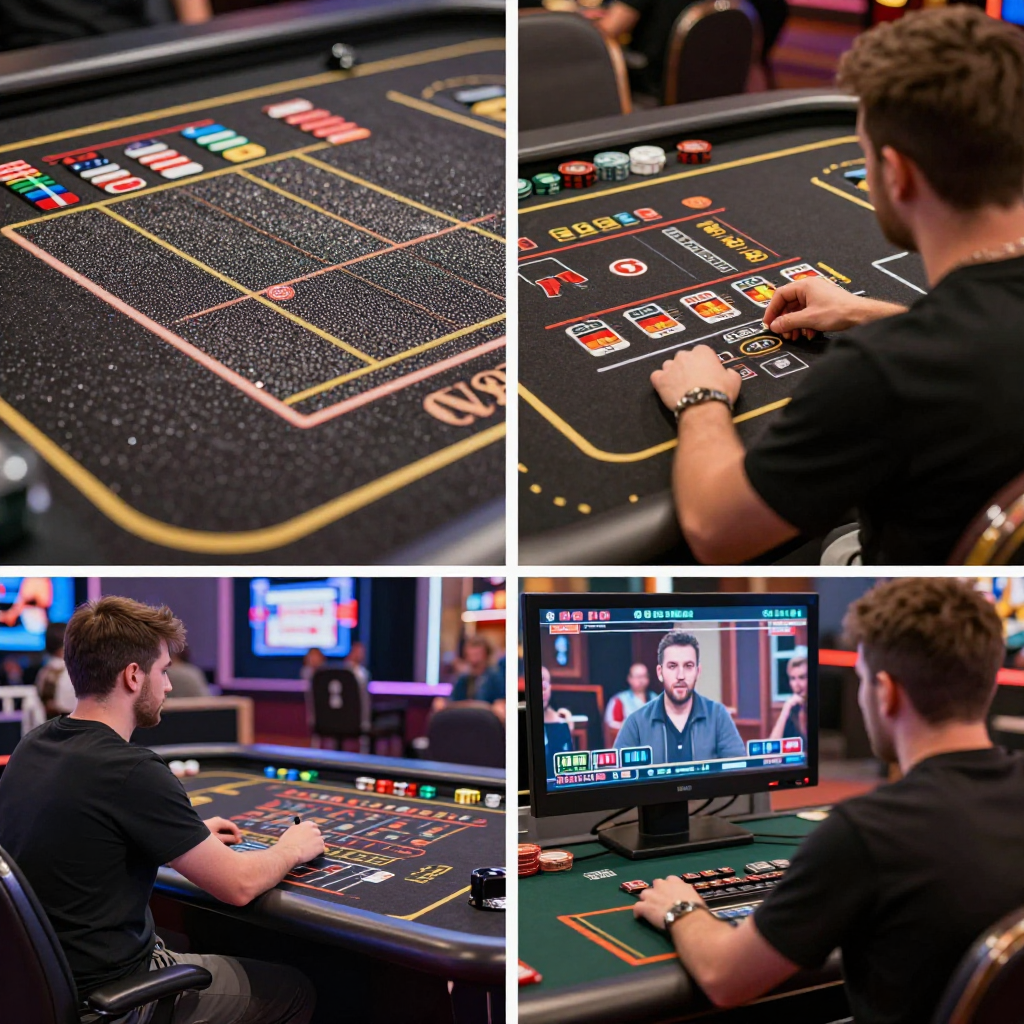
The technical leap here is bigger than people give it credit for. Low-latency video compression means the delay between a dealer flipping a card and you seeing it on screen is now measured in milliseconds, not seconds. Studios have also gotten a serious upgrade—multi-camera HD setups, professional lighting, and real-time data overlays that show your bet, the odds, and the outcome instantly layered over the live feed. Put all that together and the gap between 'watching a stream' and 'sitting at the table' basically disappears.
How Cross-Border Streaming Technology Works
Here's the part I find genuinely interesting: a dealer sitting in a studio in Ontario can deal cards to a player in Nevada with almost no perceptible lag. That's not magic—it's infrastructure. Dedicated studios feed video through cloud-based content delivery networks that route the stream through the closest available server to the player, cutting down travel time for the data itself.
Encrypted transmission protects both the game integrity and player data as it crosses borders, while multi-region licensing agreements let a single studio legally serve players in several jurisdictions at once. It's a genuinely complex web of tech and legal coordination, but when it works well, the player never notices any of it—which is exactly the point.
Licensing and Compliance Across Borders
This is where things get tricky, and honestly it's one of the biggest differences between the two markets. Canada operates on a provincial framework—each province sets its own rules, but there's enough consistency that operators can build streaming infrastructure that scales across most of the country. The US, on the other hand, is still very much a state-by-state patchwork. What's legal and regulated in New Jersey might not even exist yet in Texas.
Operators trying to serve both markets have to juggle wildly different compliance requirements while keeping stream quality and fairness standards identical no matter where the player is logging in from. It's a balancing act, and the platforms that do it well tend to be the ones that invested early in flexible, modular streaming architecture rather than building for a single jurisdiction.
What Canada's Top-Rated Platforms Are Doing Right
I've been following how independent reviewers evaluate these sites, and the methodology is more thorough than I expected. A recent breakdown of the live dealer casino Canada rankings tested platforms across stream quality, dealer professionalism, game variety, and—maybe most importantly for actual players—how fast payouts get processed after a win.
What stands out is how consistent the top-ranked platforms are across all those categories. It's not enough to have a crisp video feed if the dealer seems checked out, or to offer a dozen blackjack variants if withdrawals take a week. The best-performing Canadian sites treat all four factors as equally important, and that holistic standard is exactly what's starting to influence how US operators design their own live dealer offerings in 2026.
Key Lessons US Players Can Apply
So what does all this mean if you're an American player trying to pick a live dealer site right now? A few things I'd actually check before signing up:
- Watch the stream for a few minutes before you play—buffering or choppy video is an instant red flag for outdated infrastructure.
- Confirm the platform holds a valid license in your state, not just a generic 'licensed offshore' claim.
- Pay attention to how quickly the dealer reacts to bets and chat—slow response times often signal an overloaded or poorly maintained stream.
- Look at game variety across blackjack, roulette, and baccarat tables, since the best platforms tend to offer multiple stakes and formats rather than just one generic table.
Red Flags to Avoid When Choosing a Live Casino
On the flip side, there are warning signs worth taking seriously. Laggy or pixelated streams usually mean the operator hasn't invested in proper CDN infrastructure. Unlicensed platforms—even ones that look polished—carry real risk if a dispute ever comes up. Hidden wagering requirements buried in the fine print are still shockingly common, and poor or nonexistent customer support during a live session is a dealbreaker. These are exactly the issues top-tested Canadian platforms have worked hard to eliminate, and it's a good checklist to run through before depositing anywhere.
The Future of Cross-Border Live Casino Streaming
Looking ahead, I think we're going to see AI start playing a bigger role in dealer interactions—not replacing human dealers, but assisting with things like real-time translation or personalized game suggestions based on how you play. Multi-language streaming support is already expanding rapidly, which makes sense given how international these platforms have become.
There's also a decent chance we'll see some regulatory harmonization between the US and Canada over the next few years, at least in terms of technical standards for streaming fairness and data security, even if licensing itself stays separate. If that happens, the line between 'playing at a Canadian site' and 'playing at a US site' could get even blurrier than it already is.
At the end of the day, the technology powering live dealer casinos has genuinely closed the gap between digital and in-person play, and it's done so across borders in a way that would've seemed impossible a decade ago. Canada's rigorously tested and ranked platforms have basically written the playbook for what quality looks like in this space, and US players who take the time to apply those same standards—checking licensing, stream quality, and payout speed—are going to have a much better experience navigating this fast-moving market in 2026.