
The Role of Brand Partnerships in Modern Gaming Marketing
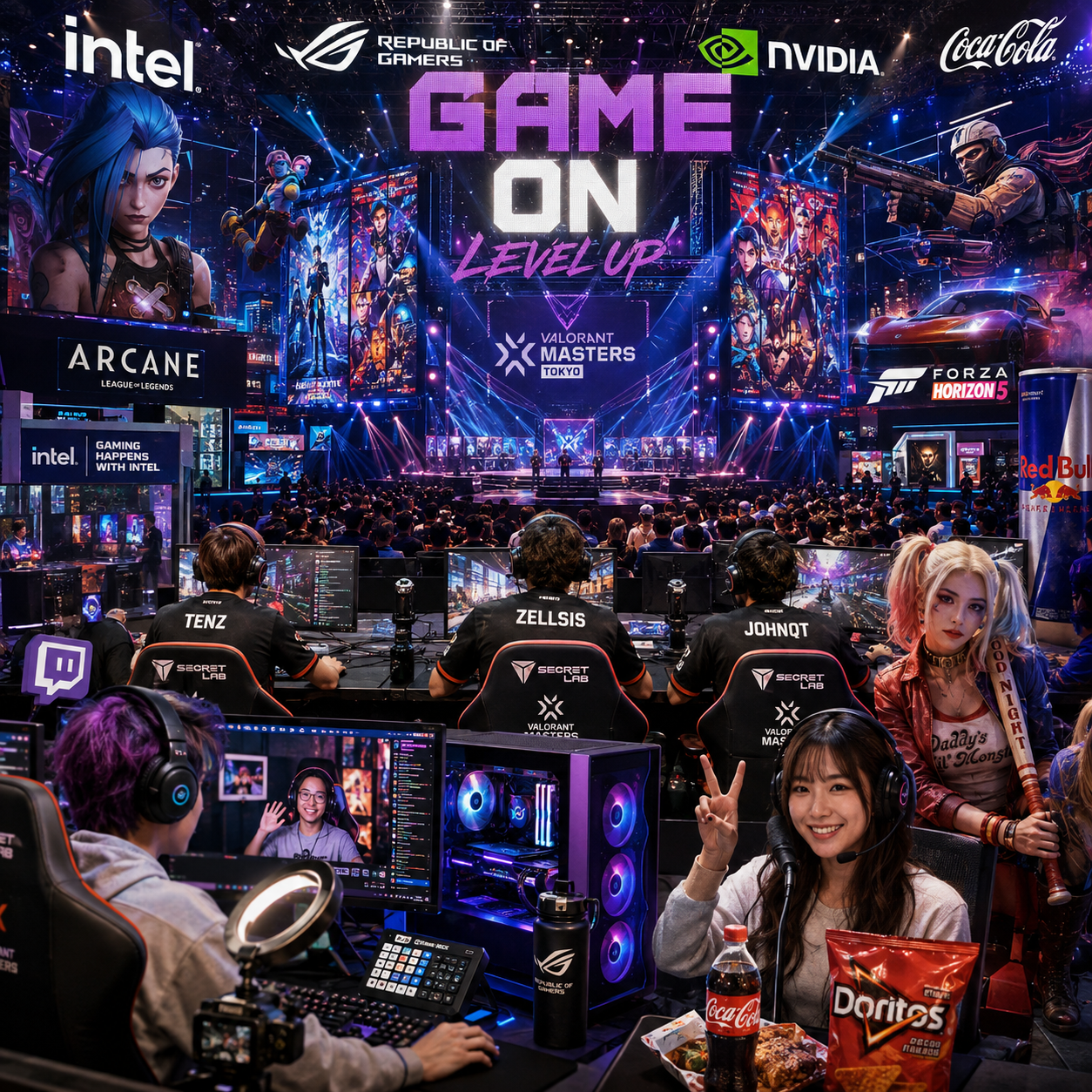
Gaming has become a major cultural space where entertainment, community, technology, and commerce meet. For game developers and publishers, that creates opportunities beyond conventional advertising. A well-designed brand partnership can introduce a game to new audiences, give players meaningful experiences, and help a consumer brand participate in gaming culture with credibility.
The distinction matters. Players quickly recognize campaigns that interrupt their experience or treat gaming as a decorative backdrop. Strong collaborations begin with mutual value: the game receives useful reach or resources, the partner gains relevance, and the community gets something worth discussing or using.
Why Brand Partnerships Matter in Gaming Marketing
Brand partnerships help gaming marketers reach new audiences, build cultural relevance, and create interactive experiences that standard advertising cannot easily reproduce. Their value comes from combining communities, platforms, stories, and behaviors rather than simply placing a logo beside a game.
A game publisher may partner with a consumer brand to reach people who do not yet follow its channels. A hardware company may support a launch and demonstrate how its products fit into real play. A streaming platform, creator, or esports organization can add trust and distribution through an established relationship with players.
Gaming partnerships also create more points of participation. Players might unlock an in-game item, join a limited-time event, watch a creator challenge, attend an esports final, or share content with friends. Each action produces a richer connection than a passive impression.
There is a trade-off. Partnerships require coordination across legal, creative, community, product, and media teams. If the collaboration feels irrelevant, the campaign can damage both brands faster than a normal advertisement because players discuss and critique it publicly.
A useful test is the three-way value check: does the idea benefit the player, strengthen the game, and give the partner a believable role? If one answer is no, the concept probably needs more work.
Common Types of Gaming Brand Collaborations
Gaming brand collaborations commonly connect developers and publishers with platforms, creators, esports organizations, entertainment properties, and consumer brands. The right format depends on the audience, the game’s identity, and the behavior the campaign should encourage.
Publisher and platform partnerships
Game publishers may work with console manufacturers, PC storefronts, mobile platforms, subscription services, or cloud gaming providers. These partnerships can support launch visibility, exclusive access windows, technical demonstrations, bundled offers, and coordinated media campaigns. Exclusivity can create attention, but it may also frustrate players who use other platforms, so marketers should assess whether short-term reach is worth potential community tension.
Consumer brand and entertainment collaborations
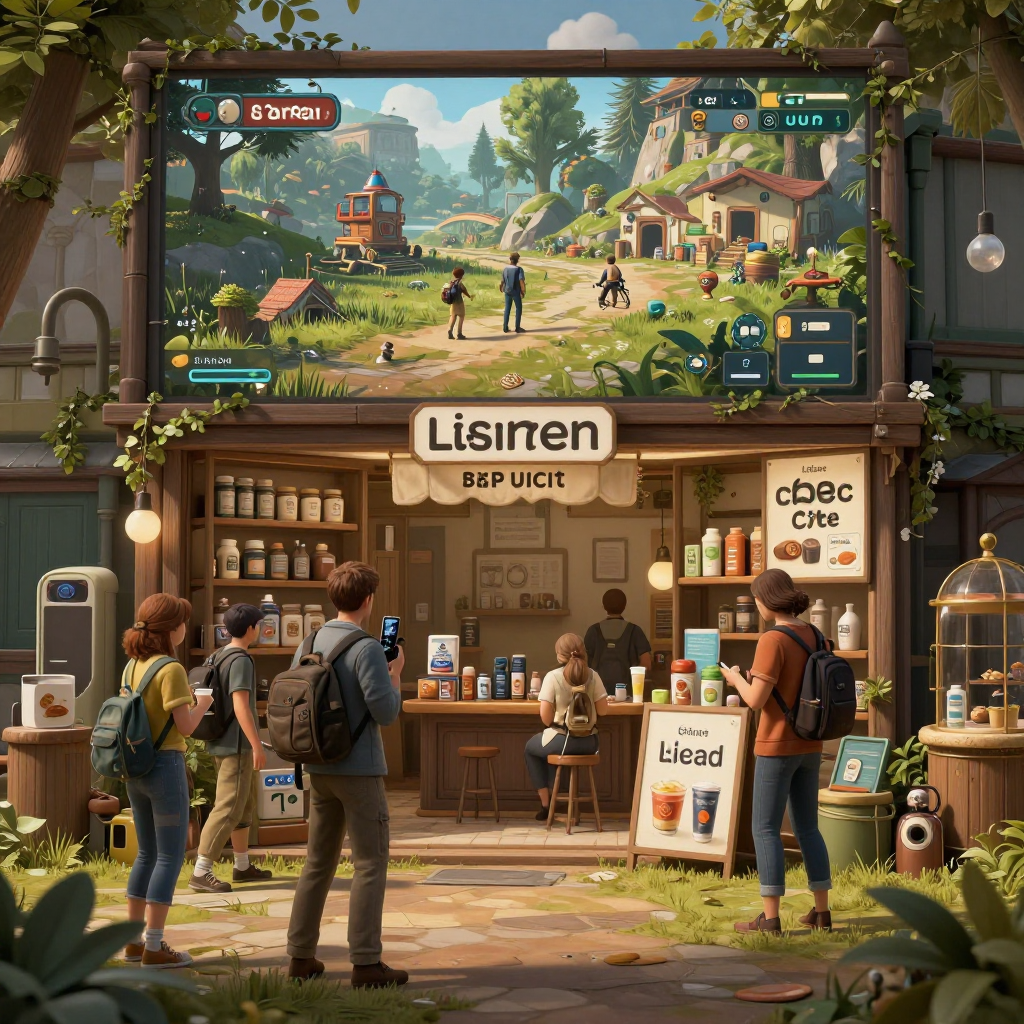
Food and beverage companies, apparel brands, technology firms, automotive companies, film studios, and music properties often collaborate with games. Activations may include branded cosmetics, themed quests, physical products, soundtrack integrations, or limited-time events. The strongest concepts share an audience or creative language. A random logo placement rarely provides enough value to justify its presence.
Creator and esports partnerships
Influencers and streamers can introduce a game through live demonstrations, challenges, reviews, and community play sessions. Esports partnerships add competitive credibility through tournaments, teams, leagues, and broadcast integrations. These channels work best when creators retain enough freedom to speak naturally and when the campaign respects the norms of the relevant gaming community.
Cross-promotion between games and communities
Cross-promotion can connect two game audiences through shared rewards, themed content, social campaigns, or coordinated announcements. It can also link a game to an adjacent community, such as animation, comics, music, or tabletop gaming. Marketers should define the audience overlap before assuming that two popular properties will automatically perform well together.
How Partnerships Enhance the Player Experience
Partnerships enhance the player experience when they add optional, well-designed content without disrupting gameplay or weakening the game’s identity. In-game activations should feel like part of the world, while rewards and events should give players a clear reason to participate.
Effective formats include:
- Limited-time events: themed missions, maps, modes, or community objectives connected to a partner’s story or product.
- Cosmetic content: character skins, emotes, banners, vehicles, accessories, or other items that avoid competitive advantage.
- Exclusive rewards: digital items, early access, physical merchandise, or event benefits earned through transparent actions.
- Community campaigns: charity initiatives, fan challenges, creative contests, and shared milestones that encourage participation beyond a purchase.
- Physical-digital connections: products or live events that unlock optional content while keeping the core game accessible.
Native design is essential. A fantasy game may support a themed artifact or narrative event; a racing game may accommodate a vehicle or livery; a competitive shooter may use cosmetic equipment that does not affect balance. The partnership should answer a player’s natural question: why does this belong here?
Timing matters as well. A collaboration launched during a major update may benefit from existing attention, but it can also compete with important gameplay news. Teams should test usability, accessibility, regional availability, and reward clarity before release. Player experience remains the quality filter, even when the campaign’s commercial objective is ambitious.
Building an Effective Gaming Partnership Strategy
To build an effective gaming partnership strategy, align the audience, objective, creative role, activation plan, responsibilities, timing, and measurement before announcing the collaboration. A shared logo and a media budget are not a strategy.
- Define the business and player objective. Decide whether the campaign aims to increase awareness, support a launch, drive trial, reward existing players, grow a community, or improve brand consideration. Express the player benefit in equally clear terms.
- Map audience overlap. Compare player demographics, interests, regions, platform use, spending behavior, and community norms. Large audiences do not guarantee meaningful overlap.
- Set brand and world boundaries. Identify the game’s tone, rating, visual language, lore restrictions, and non-negotiable community expectations. The partner should understand what cannot be changed.
- Choose a native creative concept. Build around a mechanic or behavior players already enjoy, such as collecting, competing, customizing, exploring, watching, or creating.
- Assign activation responsibilities. Specify who owns product integration, creator briefing, customer support, moderation, media, legal review, crisis response, and post-campaign reporting.
- Stage the launch. Use a sequence such as teaser, reveal, creator preview, live activation, community follow-up, and results review. A staged approach gives teams time to respond to feedback.
Decision-makers can use the FIT framework: Fit measures audience and cultural alignment, Impact measures the player value and business objective, and Trust measures transparency, creative credibility, and community risk. A concept that scores well on only one dimension is fragile.
The Role of Creators, Streamers, and Esports
Creators, streamers, and esports communities extend gaming partnerships through trusted voices, live participation, and competitive moments that audiences actively choose to watch. Their influence comes from context and credibility, not merely follower totals.
Influencers and streamers can demonstrate how an activation works, invite viewers into a challenge, host community matches, or provide candid reactions. Their audience knows their usual tone, so an overly scripted endorsement can feel conspicuous. Briefings should establish factual requirements and disclosure rules while leaving room for the creator’s normal format.
Esports partnerships serve a different purpose. Teams, leagues, tournaments, and broadcast talent can connect a consumer brand with performance, rivalry, and shared identity. A brand might support an event broadcast, player content, fan zones, tournament rewards, or community competitions. The activation should respect the competitive structure and avoid distracting from the match itself.
Measurement should distinguish paid reach from genuine participation. Track live viewers, average watch time, chat activity, creator link traffic, code use, event registrations, and post-event sentiment. A large stream with little meaningful action may be less valuable than a smaller creator whose audience joins, plays, and talks about the collaboration.
Measuring Partnership Performance
Partnership measurement should connect awareness, engagement, participation, commercial outcomes, sentiment, and longer-term brand lift. No single metric can explain whether a gaming collaboration worked.
| Objective | Useful measures | Interpretation |
|---|---|---|
| Awareness | Reach, frequency, video completion, brand recall | Shows whether the campaign was noticed and remembered. |
| Engagement | Clicks, watch time, comments, shares, content creation | Indicates active interest, though engagement quality varies. |
| Participation | Event entries, quest completions, item claims, tournament registrations | Measures whether players used the activation. |
| Commercial impact | Traffic, conversions, sales, subscriptions, qualified leads | Connects the collaboration to business results. |
| Trust and retention | Community sentiment, support contacts, repeat participation, brand lift | Reveals whether the campaign strengthened or weakened relationships. |
Set a baseline before launch. Compare exposed and unexposed audiences where practical, and separate campaign effects from major game updates, seasonal demand, or other media activity. Use unique landing pages, creator codes, platform analytics, surveys, and social listening to connect behavior across channels.
Reporting should include negative signals. A campaign that generates impressions but also produces widespread complaints about access, pricing, or intrusive branding may have created reach at the expense of trust. Partnership measurement is strongest when it records both commercial value and community cost.
Common Challenges and Best Practices
The most common gaming partnership problems are poor audience fit, forced branding, unclear objectives, short-term thinking, and weak community communication. Marketers can reduce these risks through early testing, transparent disclosures, and a clear player-first activation plan.
Audience mismatch
A partner may be famous but irrelevant to the game’s players. Teams often choose reach over cultural fit because large numbers look persuasive in a proposal. The correction is to validate overlap through audience research, player interviews, creator feedback, and regional analysis before signing.
Forced integration
When a product appears without a believable role, players may see the activation as an interruption. The solution is to connect the partner to an existing game behavior and make participation optional wherever possible. Cosmetic rewards and useful community events usually create less friction than compulsory advertisements.
Unclear objectives and ownership
One team may expect sales while another expects awareness or player retention. That disagreement becomes expensive during production. Write a shared brief with primary and secondary objectives, decision rights, deadlines, escalation routes, and success thresholds.
Weak transparency or community response
Paid creator content, sponsored streams, and promotional rewards should be disclosed clearly. Teams should also prepare support scripts, moderation guidance, accessibility information, and a response plan for criticism. Silence can make a manageable issue appear deceptive.
Long-term thinking improves results. A partnership can begin with a small test, gather player feedback, and expand only when the experience earns positive response. Choosing deeper relevance over maximum exposure often means accepting slower initial growth, but it protects the trust that future campaigns depend on.
Frequently Asked Questions About Gaming Brand Partnerships
What is a brand partnership in gaming?
A brand partnership in gaming is a coordinated collaboration between a game company and another organization, such as a consumer brand, platform, creator, esports group, or entertainment property. The partners share audiences, resources, content, or promotional activity to create mutual value.
Why are brand collaborations effective for game marketing?
They can expand reach through established communities, add fresh reasons to engage with a game, and help brands participate in gaming culture through relevant experiences. Results depend on audience fit and execution; collaboration alone does not guarantee success.
What makes a gaming partnership authentic?
An authentic gaming partnership gives players a clear benefit and fits the game’s world, mechanics, tone, and community behavior. It also uses transparent communication and avoids pretending that a forced advertisement is meaningful content.
How can companies measure a gaming collaboration?
Companies can measure reach, recall, engagement, event participation, traffic, conversions, sentiment, repeat activity, and brand lift. The measurement plan should match the campaign objective and include baseline comparisons wherever possible.
What risks should brands consider before partnering with a game?
Key risks include audience mismatch, reputational damage, community backlash, unclear disclosure, platform restrictions, poor technical execution, limited regional access, and conflicts between commercial goals and player experience. A formal risk review and response plan should precede launch.
Modern gaming marketing works best when partnerships are treated as product experiences and community relationships rather than logo placements. Developers, publishers, consumer brands, creators, platforms, and esports organizations can all contribute, but the collaboration earns its place only when players receive something relevant, optional, and worth remembering.