

How to Get Limited Edition Tomb Raider Coca-Cola Cans and Bottles
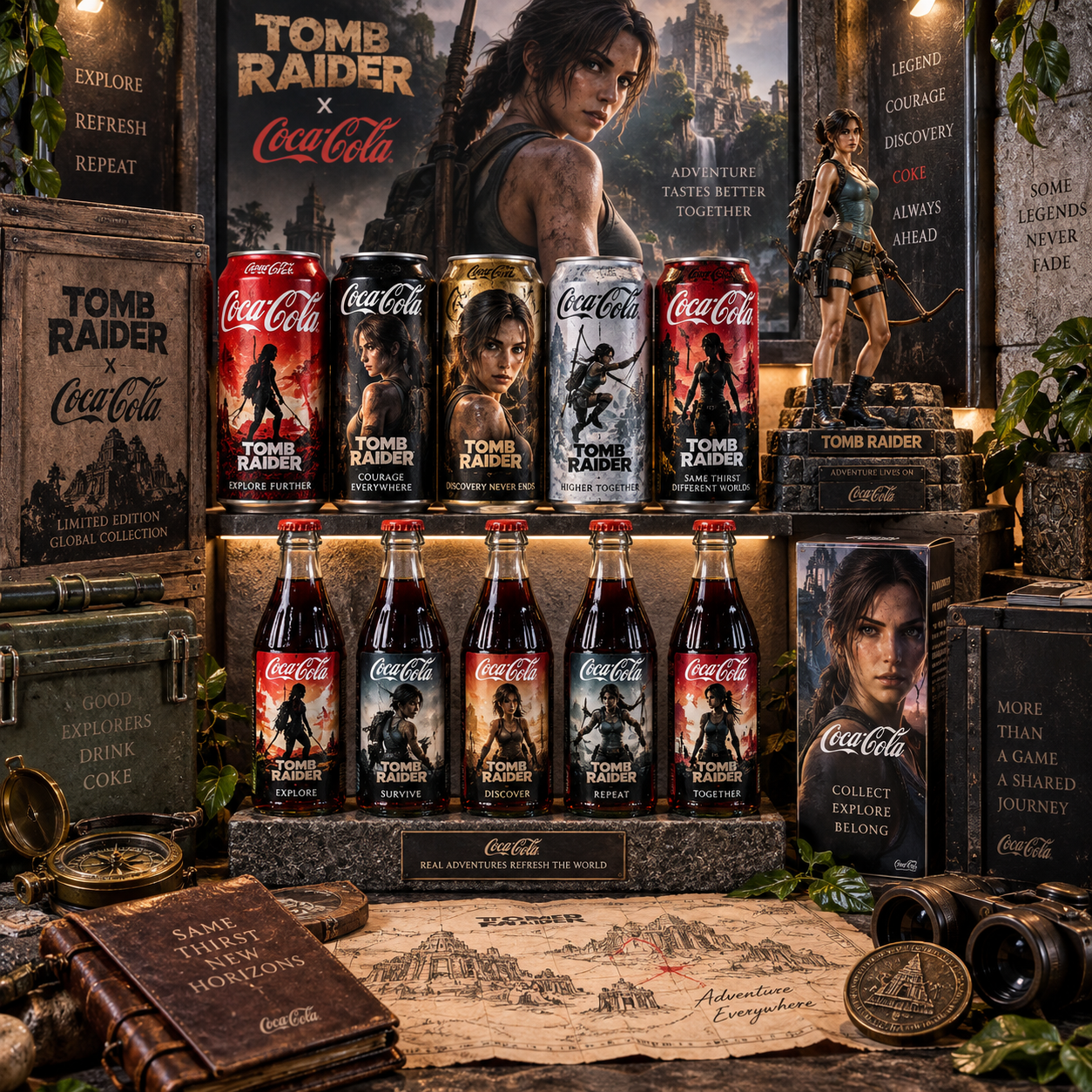
Limited-edition Tomb Raider Coca-Cola cans and bottles appeal to two audiences at once: fans of Lara Croft’s gaming legacy and collectors of Coca-Cola promotional packaging. Finding them can take patience because releases, designs, formats, and regional distribution may differ, while current stock often exists only through secondhand sellers.
The safest purchase path is simple: identify the specific release, search trusted channels, compare photographs and descriptions, verify the item, and arrange protective shipping. The guide below explains how to do that without treating an online listing or an inflated rarity claim as proof.
What Are the Limited-Edition Tomb Raider Coca-Cola Products?
Limited-edition Tomb Raider Coca-Cola products are Coca-Cola cans, bottles, or promotional packages connected to Tomb Raider branding or a game brand collaboration. Their collectible value usually comes from the crossover design, scarcity, condition, and relevance to fans rather than from the beverage itself.
Packaging may feature Tomb Raider artwork, character imagery, franchise logos, campaign graphics, or a special label treatment. Depending on the release, collectors may encounter individual cans, multipacks, glass or plastic bottles, display cartons, and empty promotional packaging. A design shown in one country may never have been distributed through ordinary retail channels elsewhere.
That regional variation matters. Coca-Cola campaigns are frequently adapted to local markets, and a promotional item can appear in a limited number of stores, at a convention, through a partnership, or as part of a short campaign. Avoid assuming that every image online represents a single worldwide release.
These items are best understood as cross-category collectibles. They connect Tomb Raider fandom, Coca-Cola memorabilia, advertising design, and gaming merchandise. For some buyers, an unopened can is the priority. Others prefer an empty bottle or display piece because it is easier and safer to store.
Where to Look for Tomb Raider Coca-Cola Cans and Bottles
To find Tomb Raider Coca-Cola cans and bottles, start with official Coca-Cola and Tomb Raider channels, then check participating retailers, specialist collectible stores, conventions, and established online marketplaces. Availability changes quickly, so use several sources rather than relying on one seller.
Begin with official campaign pages, Coca-Cola social accounts, Tomb Raider community channels, and announcements from licensed partners. These sources may confirm that a promotion existed, identify the relevant region, or show the original packaging. They may not offer current stock, but they provide useful reference material for authentication.
Next, check:
- Authorized retailers: Supermarkets, convenience stores, beverage distributors, or game merchandise shops that participated in the original promotion.
- Specialty collectible shops: Stores dealing in advertising memorabilia, soda collectibles, gaming merchandise, or sealed promotional goods.
- Gaming conventions: Vendor halls sometimes include regional promotional packaging and discontinued campaign items.
- Online marketplaces: Large resale platforms can offer more selection, although every listing requires independent verification.
- Collector communities: Forums and social groups can help identify packaging variants and seller reputations, but community claims still need evidence.
Official retail stock is usually preferable when available because provenance and return rights are clearer. Secondhand collectibles offer broader access, but the trade-off is greater uncertainty about storage, condition, and authenticity.
How to Search Effectively for Available Products
To search effectively, combine the franchise name, Coca-Cola, packaging format, region, and condition in several precise queries. Comparing multiple results is more reliable than searching only for the broad phrase Tomb Raider Coca-Cola.
Use specific search combinations
Try variations such as:
- “Tomb Raider Coca-Cola can”
- “Tomb Raider Coca-Cola bottle”
- “Lara Croft Coca-Cola promotional packaging”
- “Tomb Raider Coke collectible unopened”
- “Tomb Raider Coca-Cola empty can”
- “Tomb Raider Coca-Cola [country or region]”
Search the singular and plural forms, and include terms such as display, promo, variant, sealed, or empty. A seller may describe the same object as a can collectible, advertising item, promotional can, or game collaboration merchandise.
Compare listings rather than headlines
Record the seller’s exact description, claimed release region, format, quantity, condition, and photographs. If several listings use identical stock images, treat them cautiously until the seller provides photographs of the actual item. Reverse-image searching can reveal copied images, although it cannot establish authenticity by itself.
Monitor saved searches and completed sales where the platform provides them. A high asking price is not the same as a market price. Inventory also changes with conventions, estate clearances, and collectors selling duplicates, so patience can improve both selection and cost.
How to Verify Authenticity and Condition
Product authentication requires matching the item to credible reference images and examining the actual packaging, seller history, print quality, seals, and storage condition. Promotional photographs and seller statements are useful clues, not conclusive proof.
Inspect the packaging
- Compare the Tomb Raider logo, Coca-Cola branding, typography, colors, and artwork with trusted reference images.
- Look for sharp printing, consistent alignment, correct proportions, and clean transitions between label panels.
- Check barcodes, recycling marks, capacity information, language panels, and manufacturer details for regional consistency.
- Inspect seams, pull tabs, caps, shrink wrap, and tamper evidence without disturbing a sealed collectible.
- Ask whether the object is an original can or bottle, a recreated display piece, a printed sleeve, or an empty container.
Clear close-up photographs should show the front, back, top or cap, base, and any damage. Blurry images, cropped branding, unexplained reflections, and refusal to provide additional photographs are warning signs. A credible seller should answer practical questions about where the item came from and how it was stored.
Evaluate condition honestly
Common condition issues include dents, scratches, faded ink, label lifting, cap corrosion, sticky residue, clouding, and rust. For unopened beverages, age and storage history matter because the contents may be expired or compromised. Collectors should never consume an old, leaking, damaged, or poorly stored promotional drink.
Proof of purchase is helpful when available, especially for recent retail items, but its absence does not automatically make an older collectible fake. Conversely, a receipt does not authenticate an item if the packaging itself appears inconsistent. Use several signals together.
Buying Advice for Collectors
Before buying, compare the item’s format, condition, provenance, shipping risk, and total delivered cost rather than focusing only on the listing price. A cheap can can become expensive after international postage, import charges, insurance, or damage in transit.
Understand the main price factors
- Condition: Sharp, clean, crease-free packaging generally attracts more interest than dented or faded examples.
- Completeness: Original multipacks, cartons, inserts, or promotional materials may matter to some collectors.
- Format: A confirmed bottle variant may be harder to find than a common can, but scarcity must be documented rather than assumed.
- Provenance: A clear source and consistent seller history can support buyer confidence.
- Regional demand: Local availability, language panels, and shipping access affect what buyers will pay.
Decide whether you want a sealed beverage, a drained and preserved container, or an empty display piece. An unopened item may look more complete, while an empty piece is usually easier to ship and safer to keep long term. Never open a collectible solely to create a condition category unless you accept the permanent loss of its sealed status.
Protect the transaction
Use a payment method with buyer protection and keep the listing, messages, photographs, and shipping agreement. Ask sellers to wrap cans individually, protect bottles with padding, separate glass from hard surfaces, and use a rigid box with enough fill to prevent movement.
International purchases may involve customs declarations, taxes, restricted beverage shipment, or carrier limitations. Confirm those rules before paying. If a seller cannot explain how a glass bottle will be packed, the lower price may not justify the breakage risk.
How to Preserve the Cans and Bottles
Preserve Tomb Raider Coca-Cola packaging in a cool, dry, dark, stable environment away from sunlight, heat, humidity, and pressure. Consistent conditions reduce fading, corrosion, label damage, and deformation.
For cans, use an archival display stand or a soft, non-abrasive support that does not press against the printed surface. Keep metal away from damp basements, bathrooms, and unsealed concrete floors. Inspect occasionally for leaks, rust, swelling, or sticky residue, particularly if the can still contains liquid.
Glass bottles should stand upright on a stable shelf with enough space around them. Avoid placing heavy objects above or beside them. Do not use harsh cleaners, abrasive cloths, or adhesive tape on labels. A gentle dry dusting is safer; if a bottle has an original paper label, moisture can cause irreversible lifting.
Photograph each item when it arrives and record its condition, source, purchase date, and any known regional information. This small catalog improves insurance documentation and helps distinguish later packaging changes from new damage.
Is the Collaboration Worth Collecting?
The collaboration is worth collecting when its design, franchise connection, and condition matter to you at a price you can justify without relying on future investment returns. Long-term value is uncertain because demand depends on documented scarcity, collector interest, authenticity, and the survival of well-preserved examples.
Use a simple four-part test before purchasing:
- Identity: Can you explain exactly which release, format, and region the item represents?
- Evidence: Do photographs, packaging details, and seller information support its authenticity?
- Condition: Are dents, fading, corrosion, missing components, or opened contents accurately disclosed?
- Enjoyment: Would you still want the item if its resale value stayed flat?
This framework separates a meaningful collectible from an expensive impulse purchase. A common promotional can with excellent graphics may be more satisfying than a supposedly rare bottle with weak provenance. Likewise, an empty display piece can be a sensible choice if your goal is visual presentation rather than beverage preservation.
Be cautious with phrases such as one of a kind, ultra rare, or investment grade unless the seller supplies verifiable evidence. Collector value develops through documented examples and sustained demand, not through promotional language alone.
Frequently Asked Questions
Are Tomb Raider Coca-Cola cans and bottles still available?
Some may still be available through resale channels, specialty collectible shops, conventions, or private collectors, but current stock depends on the specific release and region. Original retail availability should be confirmed through official or authorized sources.
Where can I buy authentic items online?
Look for established online marketplaces, specialist advertising memorabilia dealers, and sellers with detailed photographs, transparent descriptions, buyer protection, and a consistent transaction history. Marketplace presence alone does not guarantee authenticity.
How can I tell if a listing is genuine?
Compare the packaging with credible reference images, inspect branding and regional details, request photographs of the actual item, review seller history, and check for unexplained inconsistencies. Treat stock photos and unsupported rarity claims as risk factors.
Should I buy unopened cans or empty display pieces?
Choose unopened cans if sealed condition is central to your collection and the item has been stored safely. Choose empty display pieces if you want lower shipping risk and easier long-term preservation, but confirm that the seller clearly identifies them as empty.
What affects the price of these collectibles?
Price depends on authenticity, condition, format, regional design, completeness, provenance, demand, and shipping costs. Asking prices can vary widely, so compare completed sales or multiple comparable listings where possible.