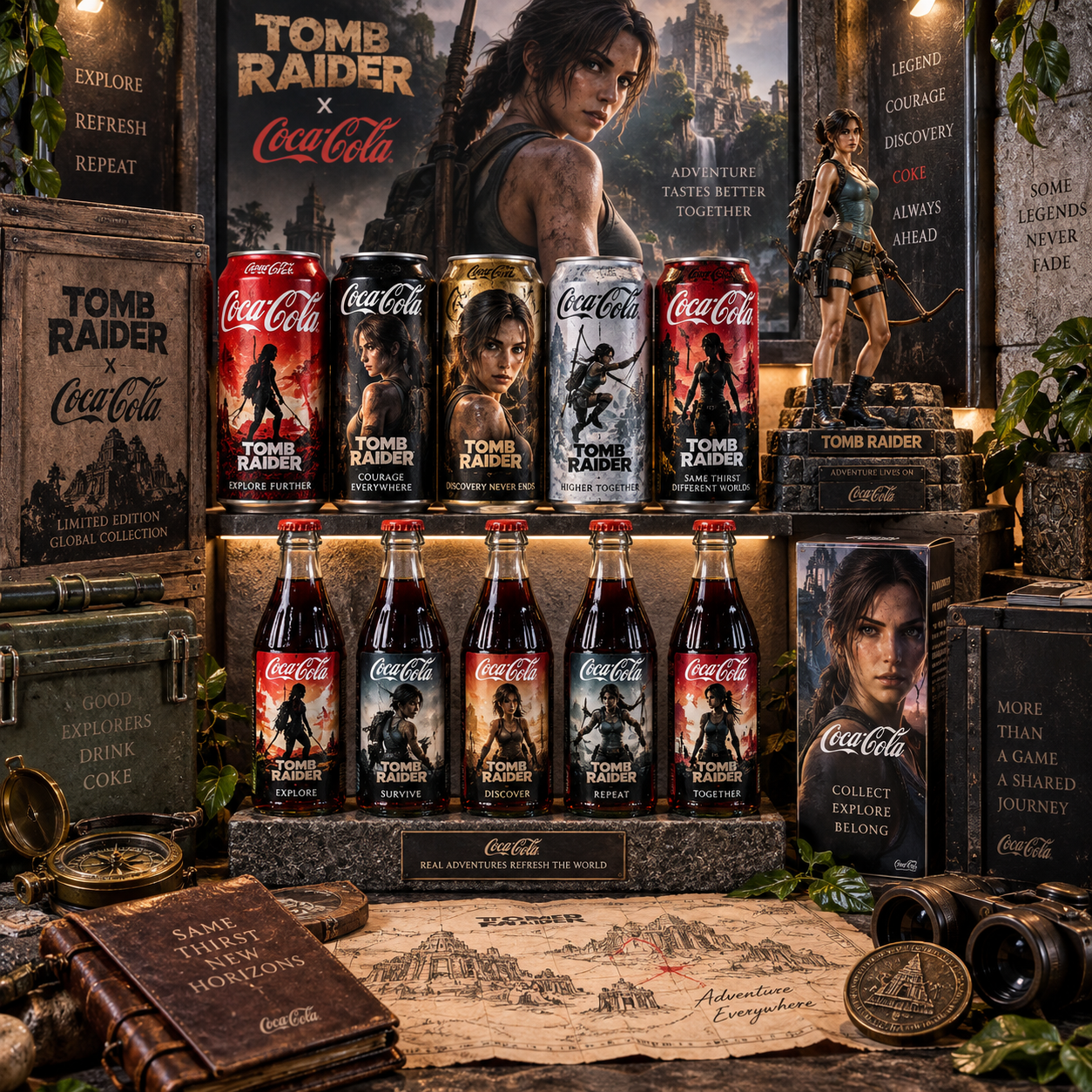


Behind the Scenes: How the Coca-Cola x Tomb Raider TV Commercial Was Made
The Unlikely Pairing That Has Fans Talking
When Coca-Cola and the Tomb Raider franchise announced their co-branding campaign, the reaction was immediate — and electric. On the surface, pairing a carbonated beverage giant with one of gaming's most iconic action-adventure IPs might seem like an odd match. But dig a little deeper, and the alignment is surprisingly natural.
Both brands are built on bold, universal themes: adventure, discovery, and the thrill of the unexpected. Coca-Cola has spent decades associating itself with peak life moments — celebrations, journeys, shared experiences. Lara Croft, the fearless archaeologist at the heart of the Tomb Raider franchise, has spent nearly three decades embodying exactly that energy in interactive form. She doesn't sit still. Neither does the world's most recognized soft drink brand.
For fans of the franchise, seeing Lara Croft step into a mainstream TV commercial represents something bigger than product placement. It signals that gaming culture has fully arrived in the cultural mainstream — not as a niche curiosity, but as a legitimate creative force that global brands actively want to be associated with.
The Creative Vision Behind the Campaign
The conceptual direction of the Coca-Cola x Tomb Raider spot centers on one core idea: refreshment as reward. The creative brief, as reflected in the finished commercial, frames the act of reaching for a Coca-Cola as the natural pause after pushing limits — the exhale after the adrenaline.
Tonally, the spot walks a careful line. It needed to feel cinematic enough to honor the Tomb Raider franchise's production values while remaining warm and accessible in the way Coca-Cola's advertising always has been. The result is a commercial that leans into dramatic visual storytelling without losing the brand's signature sense of optimism.
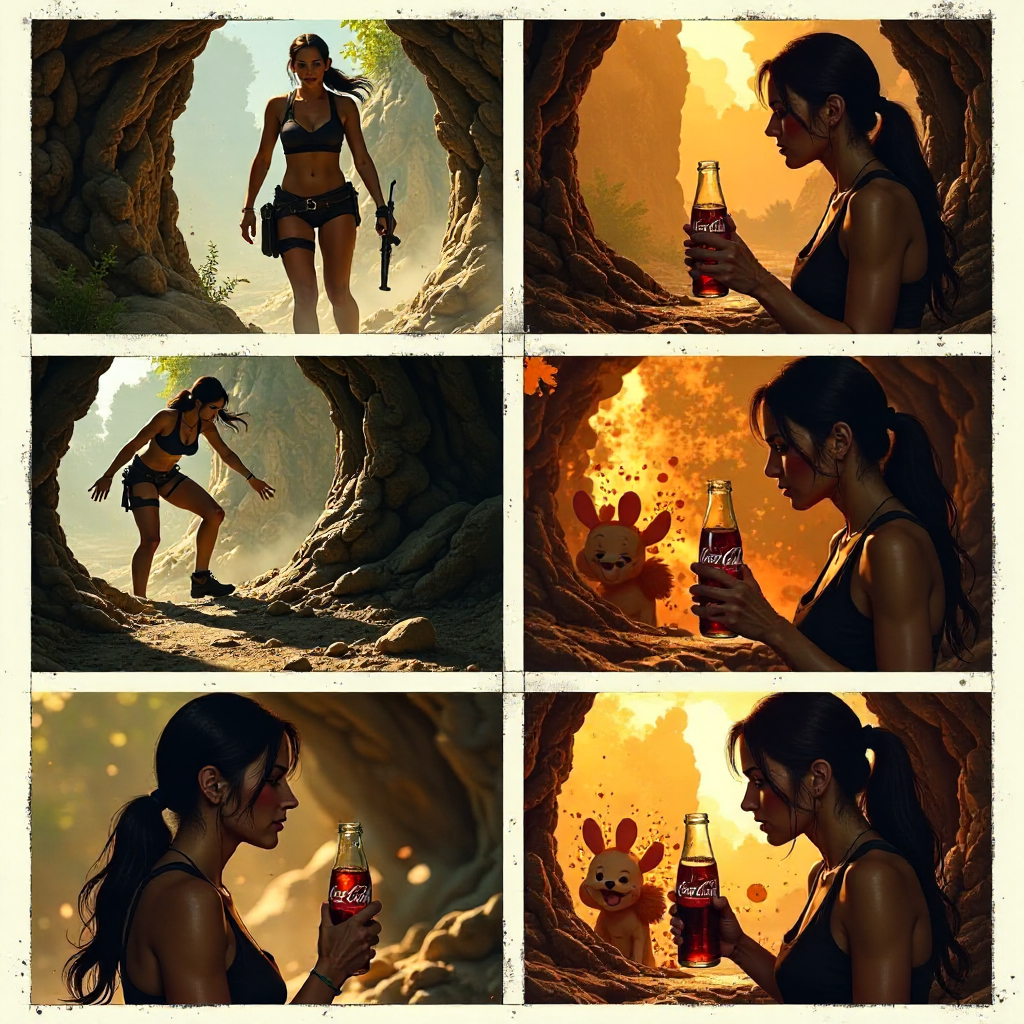
Color grading plays a significant role here. The footage shifts from the cool, shadowed tones of ancient ruins and jungle environments — familiar visual territory for any Tomb Raider fan — into warmer, golden hues when the Coca-Cola branding comes forward. It's a deliberate tonal transition that communicates belonging and relief without a single line of dialogue needing to say so.
Bringing Lara Croft Into the Spot — Character and Casting Decisions
Representing Lara Croft authentically was the production's most delicate challenge. The character carries enormous weight — decades of fan expectation, multiple game reinventions, and two separate film franchises all contribute to what audiences expect when they see her.
The creative team made a deliberate choice to ground the portrayal in the modern Lara Croft — the version introduced in Crystal Dynamics' 2013 reboot and refined through Rise of the Tomb Raider and Shadow of the Tomb Raider. This is a Lara defined by resilience and resourcefulness rather than pure superhero invincibility. She earns her moments of triumph. That characterization fits perfectly within Coca-Cola's brand story: you push through, you achieve something real, and then you take that moment to breathe.
The casting and performance direction prioritized physicality and authenticity. Every movement needed to feel grounded — the kind of earned exhaustion and quiet confidence that Tomb Raider fans recognize from hours of gameplay. The result is a portrayal that respects the source material while making Lara feel accessible to viewers who've never picked up a controller.
On Set — Production Design, Locations, and Visual Style
The production environment for the commercial was built to feel genuinely immersive, blending practical set construction with carefully chosen shooting locations. The environments visible in the spot — crumbling stone architecture, dense jungle canopy, torchlit corridors — were designed to evoke the visual language of the Tomb Raider games without directly replicating any specific in-game level.
This distinction matters. The production team wasn't making a video game trailer. They were making a piece of entertainment marketing that needed to feel cinematic and self-contained. So while the aesthetic DNA is unmistakably Tomb Raider, the production design has its own identity — grander in some ways, more intimate in others.
Lighting was used aggressively throughout the shoot. Dramatic contrast between shadow and practical light sources — torches, shafts of daylight through stone openings — creates the moody, high-stakes atmosphere that Tomb Raider fans associate with the franchise. When the Coca-Cola product appears, the lighting shifts deliberately toward natural warmth, reinforcing the emotional transition the spot is designed to create.
Camera work throughout the commercial favors dynamic movement — tracking shots, low angles that emphasize scale, and close-ups that capture the character's expression in moments of tension and relief. It's the visual vocabulary of action cinema, applied to a 60-second advertisement with genuine craft.
The Role of VFX and Gaming Aesthetics
Visual effects in the Coca-Cola x Tomb Raider spot serve a specific strategic purpose: they bridge the gap between the interactive world fans know and the live-action format of television advertising. The VFX work isn't there to overwhelm — it's there to signal fluency with gaming culture.
Subtle environmental effects — dust particles, dynamic lighting interaction, atmospheric haze in enclosed spaces — give the practical sets a quality that feels slightly heightened, slightly more dramatic than straight live-action. For a Tomb Raider fan, these details land as recognition. For a general viewer, they simply read as high production value.
There are moments in the commercial where the visual language consciously nods to gaming aesthetics: a brief environmental interaction, a movement that mirrors in-game animation, a compositional choice that echoes the franchise's iconic cover art. These are deliberate choices designed to reward fans who are paying close attention, without alienating audiences who aren't.
This layered approach to VFX and gaming aesthetics reflects a broader trend in entertainment marketing — the recognition that gaming audiences are sophisticated visual consumers who notice and appreciate authenticity.
What the Commercial Means for the Broader Campaign
The TV spot is the centerpiece of a wider Coca-Cola x Tomb Raider promotional campaign, but it's not the whole story. The commercial functions as the campaign's highest-visibility asset — the piece of content that reaches the broadest possible audience and establishes the collaboration's tone and visual identity.
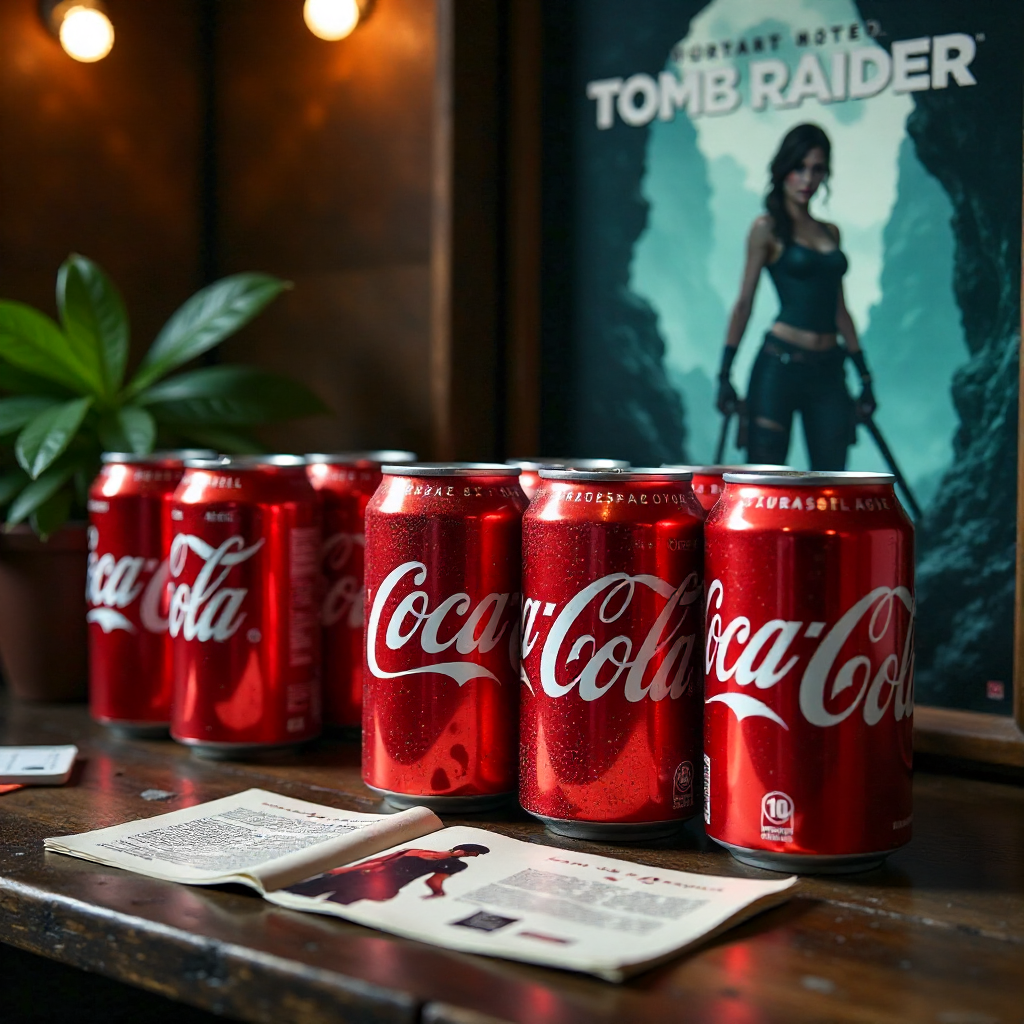
From there, the campaign extends into digital activations, social media content, limited-edition packaging, and potential in-game or event tie-ins that give fans deeper engagement opportunities. The commercial essentially serves as the front door: it creates awareness and curiosity, then the rest of the campaign infrastructure gives interested audiences somewhere to go.
For the Tomb Raider franchise specifically, this kind of mainstream brand partnership drives awareness at a scale that traditional gaming marketing rarely achieves. A Coca-Cola commercial runs during primetime television, appears in cinema pre-rolls, and circulates across social platforms — reaching audiences who may not follow gaming news but are now seeing Lara Croft in a new context.
That reach matters enormously for franchise momentum, particularly as Tomb Raider continues to expand across media — games, animated series, and potential future film projects all benefit from the cultural visibility this kind of entertainment marketing partnership generates.
Fan and Industry Reaction — Why This Collaboration Resonates
The response from both the Tomb Raider fanbase and the broader advertising industry has been enthusiastic, and for good reason. This collaboration works because it respects both sides of the equation.
Tomb Raider fans see their franchise treated with genuine creative care — not reduced to a logo slapped on a can, but integrated into a piece of storytelling that honors what makes Lara Croft compelling. That respect is visible in the production quality, the character portrayal, and the visual choices throughout the spot.
From an industry perspective, the Coca-Cola x Tomb Raider campaign represents a maturation in how major consumer brands approach gaming IP. Early brand-gaming collaborations often felt awkward — brands treating game characters as novelty items rather than cultural icons. This campaign feels different. It treats the Tomb Raider franchise as a creative equal, not a marketing vehicle.
That shift signals something significant for the future of brand-gaming partnerships. As gaming culture continues to intersect with mainstream entertainment — through streaming adaptations, esports, and crossover events — collaborations like this one will become increasingly common. The Coca-Cola x Tomb Raider commercial is a strong early example of how to do it right: with craft, authenticity, and genuine respect for the audience on both sides.
Frequently Asked Questions
What is the Coca-Cola x Tomb Raider collaboration about?
The collaboration is a co-branding campaign that brings together Coca-Cola's global brand identity and the Tomb Raider franchise's iconic adventure themes. It includes a TV commercial, promotional materials, and associated campaign activations designed to celebrate both brands' shared values of boldness and discovery.
Who directed or produced the Coca-Cola x Tomb Raider commercial?
Specific production credits for the commercial have not been publicly confirmed in detail. The spot reflects a collaboration between Coca-Cola's marketing team, the Tomb Raider franchise's brand stewards, and a production team experienced in high-end commercial filmmaking.
Where can I watch the Coca-Cola x Tomb Raider TV commercial?
The commercial is airing across television broadcast channels and is available through Coca-Cola's official social media platforms and YouTube channel. Searching for the campaign title will surface the spot across major video platforms.
How does this commercial connect to the wider Tomb Raider promotional campaign?
The TV spot serves as the flagship piece of a broader campaign that includes digital content, social media activations, and potentially limited-edition product packaging. The commercial establishes the campaign's visual identity and tone, driving audiences toward deeper engagement with the collaboration.
Is this a one-time campaign or an ongoing partnership between Coca-Cola and Tomb Raider?
Based on available information, the collaboration is structured as a promotional campaign tied to specific Tomb Raider content and timing. Whether it evolves into a longer-term partnership will likely depend on the campaign's reception and the franchise's upcoming release slate.